Why Choose an Autonomous Security Drone for Your Business?
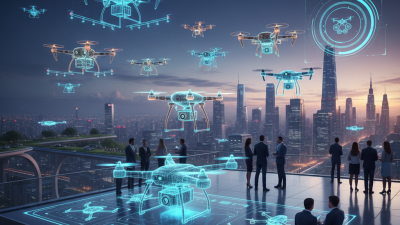
Why choose an autonomous security drone for your business? The answer begins with visibility. A fixed camera watches one angle. An autonomous security drone can inspect loading bays, perimeter fences, rooftops, and dark storage yards on a scheduled route. It can also respond to defined alerts, while trained personnel verify the situation. This changes security from passive recording into measured, mobile observation.
The business case is becoming clearer. IBM’s Cost of a Data Breach Report 2024 placed the global average breach cost at $4.88 million. Connected security systems therefore need strong access controls, encryption, and audit records. Verizon’s 2024 Data Breach Investigations Report found that the human element appeared in 68% of breaches. Automation can reduce routine exposure, but it cannot remove human judgment. That limitation matters.
The FAA Aerospace Forecast 2024–2044 also reflects continuing growth in commercial drone operations. Growth brings better platforms, but it brings operational complexity too. A reliable autonomous security drone should support geofencing, obstacle detection, weather monitoring, and clear maintenance logs. At 2 a.m., a quiet drone may inspect a fence line after a sensor alert. The control room receives thermal imagery, location data, and a timestamped flight record. Simple details matter.
It is not a magic solution. Battery life, false alarms, privacy expectations, and local aviation requirements require careful planning. Pilot projects should measure response time, coverage, maintenance hours, and verified incidents. The data may expose weaknesses in the original plan. That is useful. With experienced security teams, documented procedures, and reputable technology partners, an autonomous security drone can become a practical layer within a broader, accountable security program.
What Is an Autonomous Security Drone?
Why Choose an Autonomous Security Drone for Your Business?
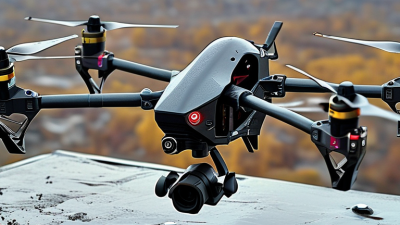
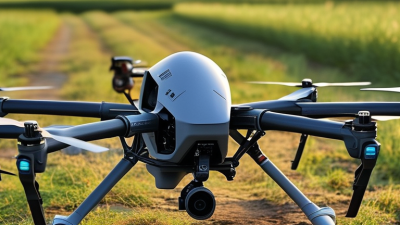
An autonomous security drone is an unmanned aircraft that performs scheduled patrols with limited human control. It uses cameras, thermal sensors, GPS, and onboard software to observe defined areas. Unlike a manually operated drone, it can follow approved routes, return for charging, and send alerts when conditions look unusual. A trained security professional should still review important alerts. Automation helps, but it does not replace judgment.
In practical use, a drone may inspect a warehouse fence at night, check a remote storage yard, or monitor a large construction site after heavy rain. Live video and time-stamped records can help teams understand what happened. However, detection systems can misread shadows, wildlife, or changing light. That weakness deserves attention. Reliable deployment requires clear operating boundaries, privacy controls, weather planning, maintenance logs, and compliance with local aviation and data-protection requirements. Human oversight remains essential.
Tips:
Start with a small, clearly mapped area. Define which events require immediate review. Test the system in rain, darkness, and poor visibility. Keep a manual inspection option available. Review false alerts each week, because they reveal where the system needs improvement. Brief operators on safe procedures and record every software or route change. Small gaps matter.
How Autonomous Security Drones Operate
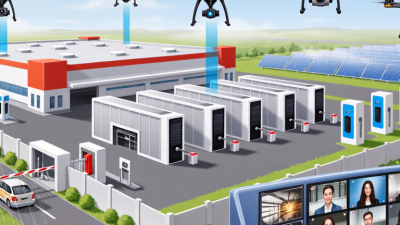
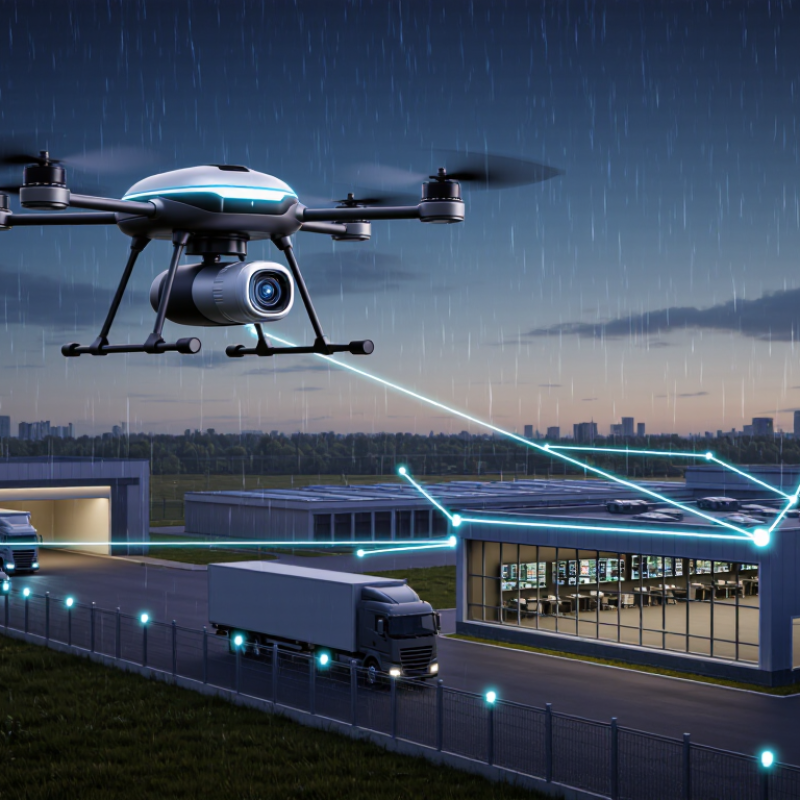
Autonomous security drones patrol business sites through scheduled routes, geofenced areas, and live sensor checks. A control platform assigns each flight, while onboard cameras and thermal sensors scan fences, loading bays, rooftops, and restricted access points. The drone processes many observations at the edge, reducing delays before sending selected alerts to trained staff.
A typical patrol begins at an automated charging station. The drone checks battery status, weather conditions, and route permissions before takeoff. It then follows mapped waypoints using navigation sensors and positioning data. If it detects motion after business hours, an open gate, or unusual heat, it records short video and reports the event. Human operators review the alert before taking action. That step matters.
Operations teams can adjust patrol times after studying repeated activity. For example, a warehouse may need closer monitoring near delivery doors between 4 a.m. and 6 a.m. Maintenance staff should inspect propellers, lenses, batteries, and communication links. A wet lens can distort an image. Weak signals can interrupt a patrol. No system reads every scene correctly. This is where my confidence becomes cautious: autonomy improves coverage, but it does not replace trained judgment. Businesses should use clear privacy controls, limited data retention, access logs, and documented human oversight. Regular testing also reveals blind spots that a smooth demonstration may hide.
Why Choose an Autonomous Security Drone for Your Business?
Autonomous security drones combine scheduled patrols, sensor-based detection, automated verification, and human escalation to help security teams respond faster while maintaining operational oversight.
The chart presents an illustrative operating workflow based on common autonomous security practices. Actual timing varies according to site layout, weather, sensors, connectivity, regulatory requirements, and human review procedures.
Key Benefits for Business Security
Why Choose an Autonomous Security Drone for Your Business?
Key Benefits for Business Security
An autonomous security drone can extend patrol coverage without adding another vehicle or fixed camera. It can follow scheduled routes, inspect fence lines, and return to its charging station automatically. Thermal and optical sensors may identify heat, movement, or open gates during low-light periods. The U.S. Bureau of Labor Statistics projects about 162,000 annual openings for security guards from 2023 to 2033. That pressure makes automation useful, but not a substitute for trained judgment.
The strongest benefit is faster awareness. A drone can reach a distant loading bay within minutes, while a control-room operator reviews live footage and dispatches personnel. According to the 2024 MarketsandMarkets Drone Services Market report, the commercial drone services sector is expected to grow substantially through 2029. This reflects rising demand for inspection, monitoring, and operational efficiency. In practice, businesses should measure response times, false alarms, battery cycles, and maintenance costs before expanding deployment.
Data quality matters.
A practical system needs clear operating procedures, access controls, encrypted video, and regular sensor testing. Human review remains essential when weather, reflections, wildlife, or crowded spaces confuse automated detection. This is where early projects can disappoint. A drone may reduce routine patrol work, yet poor route planning can create blind spots. Security managers should begin with one defined site, document results, and revise the program using evidence rather than optimistic assumptions.
Business Environments That Benefit Most
Autonomous security drones fit business environments where visibility is difficult, repetitive, or costly. Large warehouses, logistics yards, construction sites, utility facilities, and industrial campuses benefit most. These locations often contain blind corners, long fences, parked equipment, and limited night lighting. A drone can follow scheduled routes, capture thermal images, and send alerts when conditions change. It does not replace trained personnel. It extends their reach.
The need is measurable. The FBI reported 847,522 estimated burglary offenses in the United States during 2023. Many commercial sites remain exposed after normal working hours. The U.S. Bureau of Labor Statistics recorded 5,283 fatal workplace injuries in 2023. Remote observation can reduce unnecessary foot patrols near unstable structures, heavy machinery, or isolated areas. In practice, teams still need clear escalation procedures. An alert without a response plan is just noise.
Airports, ports, campuses, and energy facilities can also gain value from autonomous patrols. Drones can inspect perimeter gates, check restricted access points, and document storm damage quickly. However, deployment requires careful planning. Privacy controls, visible operating policies, human review, and maintenance logs support responsible use. The National Institute of Standards and Technology recommends risk-based governance for trustworthy artificial intelligence systems. That guidance matters here. False alarms happen. Weather interferes. Sensors need testing. Businesses should begin with a small, well-defined route and compare response times, incident records, and staff workload before expanding.
Factors to Consider Before Deployment
Before deploying an autonomous security drone, define the problem precisely. A warehouse may need perimeter checks, while a construction site may need night-time alerts. These needs require different flight paths, sensors, and response procedures. Walk the site at several times. Note blind corners, reflective surfaces, overhead cables, wind tunnels, and areas where workers gather. A map that looks simple on paper can behave differently after rain or darkness. Keep the mission narrow at the start. That makes performance easier to measure.
Confirm local aviation, privacy, workplace safety, and data-retention requirements before any flight. The system should identify restricted zones and stop safely when conditions change. Test battery endurance in real weather, not only in a controlled room. Check how alarms reach trained staff, and record who can approve an intervention. Human review remains important when images are unclear. A false alert at 2 a.m. can drain trust quickly. So can a missed event.
Evaluate cybersecurity, access controls, software updates, maintenance schedules, and backup procedures. Store only necessary footage, with clear retention limits and audit trails. Train operators with realistic scenarios, including lost connectivity and emergency landing. Run a limited pilot for several weeks, then compare alerts, response times, and maintenance hours. Be honest about weak results. An autonomous drone is not a substitute for site planning or people. It may reveal gaps you did not expect. Those gaps deserve attention before expansion.