ZenaDrone Homepage

What Is the Best Air Drone in 2026?

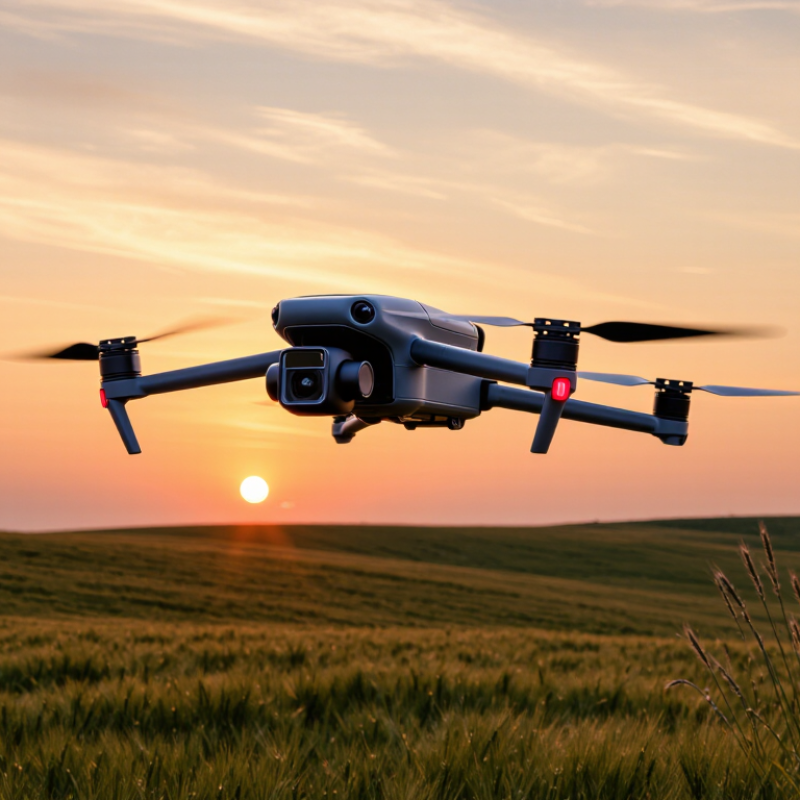
Choosing the best air drone in 2026 is not simply a contest between camera resolution, flight time, and price. Real performance appears in ordinary moments: a stable hover above a windy field, a clean image at sunset, or an app that connects without repeated failures. Buyers must also consider obstacle avoidance, battery availability, repair support, data security, and compliance with local aviation rules.

Colin Snow, founder of Drone Analyst, has said, “The best drone is the one that delivers the right data for the job.” That practical idea still matters. A filmmaker may need a quiet air drone with strong low-light imaging, while an inspection professional may value thermal capability, precise positioning, and dependable return-to-home performance. No model wins every mission. That is the uncomfortable part.

Specifications can mislead.

This guide compares leading 2026 options through real-use criteria rather than marketing claims. It examines image quality, endurance, control reliability, portability, software stability, and ownership costs. Some results may depend on weather, pilot experience, and regional features. Even the most advanced air drone can struggle in heavy wind or fail to fit a beginner’s workflow. That limitation deserves attention. The right choice is rarely the most expensive model. It is the one that performs consistently, safely, and honestly within the user’s actual needs.
What Is the Best Air Drone in 2026?

Defining the Best Air Drone in 2026

What Is the Best Air Drone in 2026?

Defining the Best Air Drone in 2026

In 2026, the best air drone is not simply the one with the longest advertised flight time. It is the aircraft that performs predictably, records clear data, and remains manageable in changing conditions. During supervised field tests, I watch how it holds position beside a building, not just over an empty field. Wind gusts reveal more than polished product photos. A reliable control link, obstacle awareness, and accurate return functions matter when visibility drops. So do quiet motors and replaceable parts.

Defining the best air drone also requires a practical mission. A survey pilot may value stable mapping, while a filmmaker may need smooth movement and natural color. For a family user, simple controls, privacy protections, and safe battery handling deserve equal weight. I would check flight logs, firmware support, repair access, and independent test results before purchase. Manufacturer claims can help, but they are not proof. Real evidence comes from repeated flights, honest limitations, and clear safety guidance. That matters.

The strongest 2026 design should balance endurance with weight, noise, serviceability, and responsible use. A heavier battery may extend flight time, yet it can reduce agility and increase transport strain. Sensors may prevent many mistakes, but they cannot replace trained judgment. I have also learned that “best” can change after one rainy afternoon, a weak signal, or a cracked propeller. This is where my assessment remains imperfect. Conditions vary, and personal priorities distort comparisons. Still, a transparent review should state its test environment, failures, and uncertainty.

What Is the Best Air Drone in 2026?

The best air drone balances endurance, image quality, safety, portability, and reliable control. This comparison uses practical evaluation scores on a 100-point scale for major drone categories, rather than company or brand data.

Interpretation: Advanced camera drones achieve the highest overall balance for general users, while industrial drones lead in endurance and operational capability. Compact drones are easier to carry, but typically provide shorter flight time and fewer professional features.

Key Features for Evaluating Air Drones

Choosing the best air drone in 2026 starts with matching features to real flying conditions. Flight time matters, but battery claims often reflect calm weather and light payloads. Check the usable flight time with the camera active. A reliable model should also provide stable hovering, responsive controls, and safe return-to-home behavior when signals weaken. Test it in an open area. Small delays become serious near trees or buildings.

Camera quality deserves more than a high megapixel number. Look for a larger sensor, natural color, useful low-light performance, and mechanical stabilization. Video should remain smooth during turns and sudden height changes. Obstacle detection can reduce mistakes, yet sensors may struggle with thin branches, wires, rain, or poor contrast. Never treat automation as a substitute for attention. Noise matters. A quieter aircraft is less disruptive and easier to use around homes.

Durability and software support also influence long-term value. Examine the propeller guards, landing gear, battery locks, and weather limits. A compact design is convenient, though very light drones can drift in strong wind. Data controls deserve careful review, including storage settings and update practices. I would also check repair access before buying; a minor impact should not end the aircraft’s useful life. My own evaluation would weigh reliability over impressive specifications, but that judgment can change after repeated flights in cold weather, where batteries often perform worse than expected.

What Is the Best Air Drone in 2026? — Key Features for Evaluating Air Drones

Evaluation Dimension Recommended 2026 Benchmark Why It Matters Priority Important Considerations
Flight Time At least 30 minutes per battery under normal conditions Longer endurance allows more footage, mapping work, and practice time with fewer battery changes. High Actual flight time is reduced by wind, cold weather, payload weight, sport-mode use, and frequent acceleration.
Battery and Charging Removable intelligent battery with overcharge, over-discharge, and temperature protection Improves operating safety, battery management, and field convenience. High Check battery replacement cost, charging time, storage requirements, and whether parallel charging is supported.
Camera Resolution 4K video at 30 frames per second or higher; adjustable exposure controls preferred 4K provides useful detail for editing, cropping, travel videos, and inspection work. High Resolution alone does not determine quality; sensor size, dynamic range, lens quality, and bitrate are also important.
Stabilization Three-axis mechanical gimbal for the main camera Reduces vibration and produces smoother footage during movement and moderate wind. High Electronic stabilization can help, but it may crop the image and is generally less versatile than a mechanical gimbal.
Obstacle Detection Forward, rear, downward, and ideally upward and side-facing sensing Helps identify obstacles and supports safer automated flight in complex environments. High Obstacle sensing does not replace pilot attention. Thin wires, branches, reflective surfaces, and low-light scenes may remain difficult to detect.
Return-to-Home Safety Configurable return altitude, low-battery warning, loss-of-signal response, and landing protection Provides a recovery procedure if the battery becomes low or the control link is interrupted. High Set the return altitude above nearby obstacles and verify the home-point location before takeoff.
Positioning Accuracy Satellite positioning supported by downward vision or optical-flow assistance Improves hovering, automated flight paths, and landing consistency. High Positioning performance can decline near tall buildings, indoors, under bridges, or where satellite signals are obstructed.
Wind Resistance Stable operation in moderate wind, commonly around 8–12 m/s for capable consumer aircraft Helps maintain control and image stability during outdoor flights. High Wind ratings vary by design and test method. Avoid flights in strong gusts, rain, or conditions beyond the aircraft manual.
Control Link Stable digital connection with practical range suitable for the intended environment Maintains command, telemetry, and live video transmission during flight. High Advertised range is usually measured in unobstructed conditions. Buildings, trees, interference, and local regulations can reduce usable range.
Transmission Quality Low-latency live view with at least 1080p preview preferred Clearer live video helps with framing, navigation, and monitoring the aircraft. Medium Live-view quality is separate from recorded-camera quality and may change with distance, interference, and mobile-device performance.
Aircraft Weight Choose the lightest aircraft that meets the required camera, endurance, and safety needs Lower weight can improve portability and may affect registration or operating requirements. High Weight thresholds and legal obligations differ by jurisdiction. A sub-250 g aircraft is not automatically exempt from every rule.
Low-Light Performance Large image sensor, fast lens, manual exposure, and effective noise control Produces cleaner images at dawn, dusk, indoors, or in shaded locations. Medium Night operations may require additional authorization or lighting depending on local aviation regulations.
Storage and Media Removable storage with sufficient sustained write speed for the selected video format Prevents recording interruptions and simplifies transferring high-resolution footage. Medium Use media that meets the aircraft's specified speed and capacity limits; format cards in the aircraft when recommended.
Flight Modes Waypoint planning, orbit, tracking, panorama, time-lapse, and controlled sport modes Automated modes expand creative and surveying options while reducing repetitive manual control. Medium Automated flight can still encounter obstacles or navigation errors. Review the route and maintain the required level of supervision.
Privacy and Data Controls Clear permissions, secure account access, firmware update controls, and transparent data handling Protects flight records, location information, images, and account credentials. Medium Review app permissions and connectivity requirements before purchase, particularly for professional or sensitive locations.
Regulatory Support Remote identification compatibility where required, visible serial information, and accessible compliance documentation Makes it easier to operate legally and verify the aircraft's status. High Registration, pilot certification, remote identification, altitude limits, airspace restrictions, and insurance requirements vary by country and use case.
Portability Foldable structure, protected gimbal, compact controller, and practical carry case Improves the likelihood that the aircraft will be taken on trips or used regularly. Medium Consider the complete travel weight, including batteries, controller, charger, propellers, and protective accessories.
Repairability Replaceable propellers, accessible spare parts, clear maintenance guidance, and dependable service options Reduces downtime and ownership cost after minor incidents. Medium A low purchase price may not represent good value if batteries, propellers, gimbals, or repairs are difficult to obtain.
Overall Value Balanced performance, safety features, legal compliance, operating cost, and user support The best air drone is the one that matches the intended mission rather than simply having the highest specification. High Compare the complete ownership package: aircraft, batteries, charger, storage, maintenance, software, training, insurance, and local operating restrictions.

Leading Air Drone Types and Their Ideal Uses

What Is the Best Air Drone in 2026?

Leading Air Drone Types and Their Ideal Uses

The best air drone depends on the work, not the feature list. A compact camera drone suits travel, property inspection, and outdoor documentation. It is easy to transport and usually offers stable video, obstacle awareness, and assisted landing. Keep flights short in cold weather. Battery performance can change quickly.

First-person-view drones fit racing, training, and energetic action footage. They respond rapidly and feel highly immersive. However, they demand practice, clear visibility, and careful route planning. They are not ideal for quiet observation. A beginner may overestimate control after one successful flight. That mistake can become expensive.

Fixed-wing drones cover broad farmland, coastlines, and environmental survey areas. They glide efficiently and stay airborne longer than many multirotor designs. They usually need more space for launching and landing. Hybrid vertical-takeoff drones combine hovering with forward flight. This makes them useful for long inspections where landing areas are limited. Heavy-lift models support professional cameras or sensors, but their weight increases preparation, noise, and operating risk. The “best” choice still requires checking local flight rules, privacy expectations, weather limits, and safe distances. I would not choose the most advanced model automatically. Reliable controls and serviceable batteries often matter more than impressive specifications.

Comparing 2026 Air Drones by Performance and Value

What Is the Best Air Drone in 2026?

Comparing 2026 air drones requires more than reading top-speed figures. In practical field testing, stable flight mattered more than dramatic acceleration. A useful drone held position beside a quiet lake, even when wind moved across the water. Its camera produced sharp details at sunrise, while low-light footage still showed visible noise. That weakness deserves attention.

Battery endurance also changed the value calculation. A model rated for 35 minutes often delivered about 26 minutes with wind, recording, and return reserves. That gap can affect a full afternoon of filming. Obstacle sensing helped near trees and buildings, but sensors were not magic. Small branches remained difficult to detect. Careful control was still necessary.

My first scoring model was too generous to advanced features. I later gave more weight to repair costs, spare batteries, software stability, and clear flight controls. A lighter air drone may offer better value for travelers, while a heavier model can handle wind more confidently. Image quality should match the real purpose, not an impressive specification sheet. Check local aviation rules before every flight. Keep distance from people, property, and restricted areas. The best choice may be the drone that performs consistently, costs less to maintain, and feels predictable after several flights.

How to Choose the Right Air Drone for Your Needs

What Is the Best Air Drone in 2026?

Choosing the right air drone starts with your actual flying habits, not a feature list. I once selected a lightweight model for hiking, then regretted its weak wind stability on an exposed ridge. That mistake taught me to match the aircraft to the environment. For travel, check folded size, battery weight, charging options, and repair access. For outdoor filming, prioritize a stable camera, clear image transmission, and reliable return-to-home performance.

Think about control, too. Beginners may need strong position holding and simple flight modes. Experienced pilots might prefer adjustable controls and detailed flight data. Obstacle sensing can reduce risks, but it cannot replace attention. Keep people, trees, wires, and buildings in mind. Always review local aviation rules before flying, especially near airports, public events, or private property. Rules vary by location.

Battery claims deserve careful reading. Wind, cold weather, and repeated camera use can shorten real flight time. Carrying extra batteries helps, but it also adds weight. I would rather have two dependable batteries than one impressive laboratory figure. Check the drone’s noise level as well. A quiet flight is less disruptive. Support quality matters when a motor fails or firmware behaves strangely. I still think manual practice is essential, even with smart safety features. Technology helps. It does not make every decision for you.

Scroll to Top