2026 Top Autonomous Security Drone Trends to Watch?
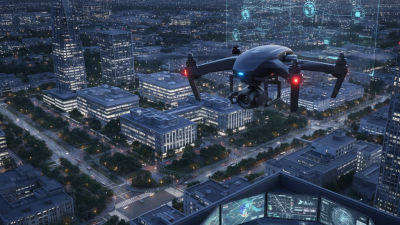
As the world advances into a new era of technology, the role of autonomous security drones has become increasingly prominent. These innovative devices are reshaping how we envision safety and surveillance. In 2026, we can expect to see significant trends that highlight their evolving capabilities and applications.
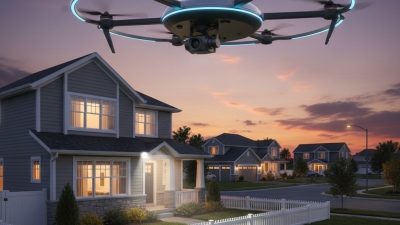
Autonomous security drones promise enhanced efficiency and effectiveness. Equipped with advanced AI, these drones can patrol vast areas autonomously. They can identify and respond to threats in real-time, offering peace of mind to both businesses and communities. However, challenges remain. Issues regarding privacy and data security need careful consideration. The balance between safety and civil liberties must be addressed.
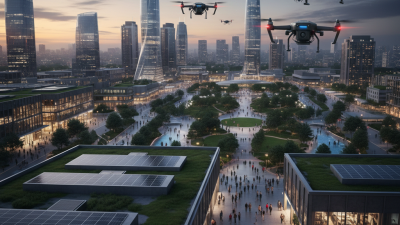
Looking ahead, the integration of these drones into existing security frameworks will be crucial. Training personnel to work alongside autonomous systems is essential. As we embrace this technology, ongoing dialogue and reflection on its impact will shape its future. The evolving landscape of autonomous security drones will redefine our approach to safety, but we must navigate these advancements thoughtfully.
Emerging Technologies Enhancing Autonomous Security Drones in 2026
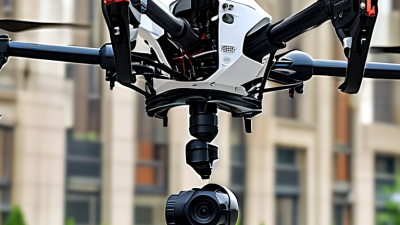
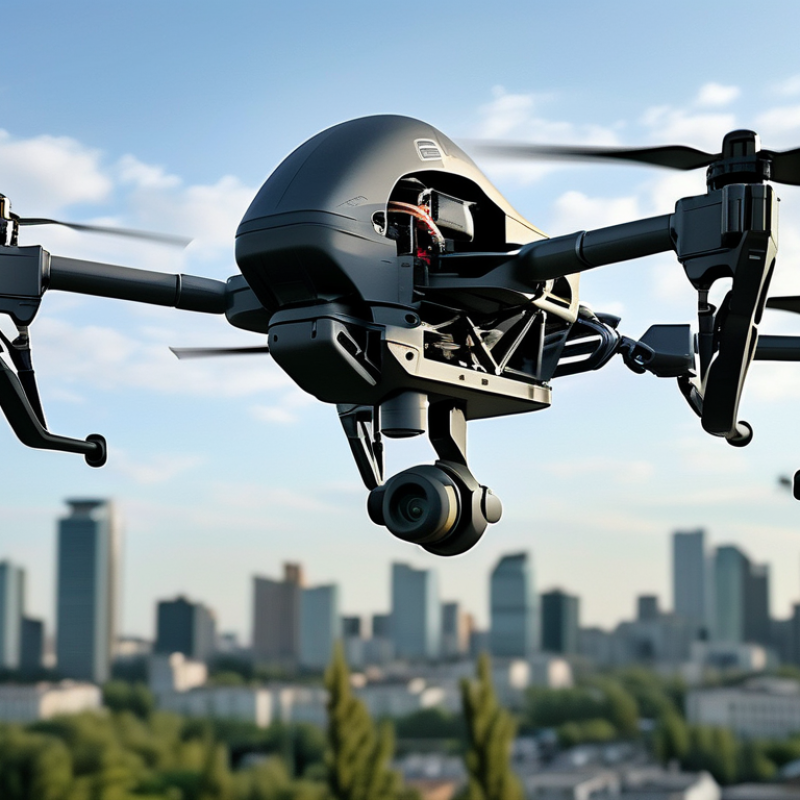
As we look toward 2026, several emerging technologies will redefine the landscape of autonomous security drones. These advanced systems will incorporate artificial intelligence for real-time data analysis. Enhanced image processing capabilities will allow drones to identify and differentiate between threats with greater accuracy. The integration of machine learning algorithms will enable drones to adapt to different environments and situations.
Moreover, improved battery life will ensure longer flight times and more extensive patrols. This enhancement will increase the efficiency of surveillance operations. Additionally, feedback systems will help operators make informed decisions based on real-time information. However, the increased reliance on these technologies raises questions about data privacy and the ethical implications of surveillance.
Another area of focus involves communication technologies. Secure, rapid data transmission methods will allow drones to relay information without delays. This fosters a seamless information exchange between drones and operators. Yet, the potential for network vulnerabilities must be addressed. It's important to continually evaluate these technologies’ effectiveness and ensure they meet security needs without compromising ethical standards. As these trends evolve, continuous reflection on their societal implications will be essential.
Integration of AI and Machine Learning in Drone Surveillance Systems
The integration of AI and machine learning in drone surveillance systems is revolutionizing security dynamics. Advanced algorithms allow drones to analyze vast amounts of data in real-time. This capability enhances situational awareness for security forces, enabling them to respond swiftly to threats. For instance, drones can detect unusual activities in crowded areas. This immediate processing leads to faster responses than traditional methods.
However, the reliance on AI also raises critical questions about privacy and accountability. Drones can misinterpret situations, leading to unnecessary interventions. Additionally, there's a risk of biases in the algorithms. These factors demand continuous evaluation and improvement to ensure reliability. The potential for errors highlights the importance of human oversight in AI-driven security operations. Technology should assist, not replace, human judgment in critical scenarios.
As we look toward 2026, the balance between innovation and ethics will define the use of autonomous security drones. The focus must remain on responsible deployment. Security measures should protect citizens while respecting their rights. The future of drone surveillance hinges on addressing these challenges head-on.
Advancements in Drone Battery Life and Flight Range for Security Operations
As the demand for autonomous security drones increases, advancements in battery life and flight range stand out. Recent industry reports indicate that current battery technologies can extend flight times up to 60 minutes, representing a significant improvement compared to earlier models. This extended time allows drones to cover larger areas without needing frequent recharges, enhancing their operational efficiency.
However, challenges remain. Environmental factors such as wind and temperature fluctuations can drastically impact battery performance. Security drones must be equipped to handle these variables while remaining efficient. With frequent innovations, some prototypes are now testing batteries that could last even longer, possibly reaching up to 90 minutes in controlled conditions. This advancement could revolutionize security operations, providing real-time surveillance over expansive territories.
Prioritize training operators on battery management. Understanding optimal charging times can significantly influence flight performance. Regular maintenance checks are crucial; mechanical issues can emerge even with the most advanced tech. Operators must continuously assess the battery's health to ensure reliability in critical situations. Emphasizing these practices may mitigate risks associated with battery failures.
Regulatory Developments Affecting Autonomous Security Drone Deployment
As autonomous security drones gain momentum, regulatory developments play a crucial role in their deployment. Governments are increasingly recognizing the potential benefits of these technologies, while also grappling with ethical considerations and public safety. Regulations are evolving, often in response to rapid advancements in drone capabilities. This means that drone operators must stay informed about local laws, which can vary greatly.
Drones have the power to transform security protocols. However, without clear guidance, this transformation can lead to misinterpretations and misuse. Operators must conduct thorough research on regulations governing airspace, privacy, and data collection. Compliance isn't just a legal obligation; it builds trust with the communities served.
Navigating these complex regulations can be challenging. Stakeholders should engage with local authorities and industry experts to clarify their understanding. Regular training sessions can also help drone operators stay updated with changing laws. By fostering open communication with regulators, the industry can better align itself with public interests, ensuring a balanced approach to innovation and safety.
User-Centric Design Innovations for Enhanced Security Drone Usability
The realm of autonomous security drones is evolving rapidly. In recent years, user-centric design innovations have paved the way for enhanced usability. Research indicates that 70% of drone users prioritize ergonomics and intuitive interfaces. This highlights a significant shift toward designing drones that cater specifically to user needs.
One emerging trend is the integration of augmented reality (AR) interfaces. An industry report shows that 40% of security professionals prefer systems that utilize AR for real-time data visualization. This technology allows operators to process information faster and enhance decision-making efficiency. Furthermore, customizable controls are becoming essential. Users seek tailored options that allow them to adapt drone functions to various environments.
Despite these advancements, gaps remain. Many drones still lack seamless integration with existing systems. This creates unnecessary complications for users, making training a prolonged process. User feedback suggests that a more unified approach to updates and usability testing is vital. A recent survey indicated that 55% of users experienced frustration due to clunky interfaces. Addressing these gaps could significantly improve user satisfaction and operational effectiveness in the long run.
2026 Top Autonomous Security Drone Trends to Watch
| Trend |
Description |
Potential Impact |
User-Centric Features |
| AI Integration |
Enhanced decision-making capabilities through AI algorithms. |
Higher efficiency in threat detection and response. |
Adaptive learning from each mission to improve performance. |
| Modular Design |
Interchangeable components to suit various mission types. |
Increased versatility across different security environments. |
User-friendly assembly and customization options. |
| Improved Battery Life |
Longer operational times with advanced battery technology. |
Reduced downtime and extended coverage area. |
Real-time battery monitoring for user awareness. |
| Enhanced Navigation |
Advanced GPS and obstacle avoidance systems. |
Safer operations in complex environments. |
Intuitive navigation control for users of all skill levels. |
| Cybersecurity Measures |
Integration of robust security protocols. |
Minimized risk of hacking and data breaches. |
User-friendly security protocols to ensure data safety. |