How to Choose the Best Autonomous Security Drone for Your Needs?
In an age where security concerns are paramount, the rise of autonomous security drones has revolutionized surveillance. These drones offer a blend of advanced technology and real-time monitoring, catering to diverse security needs. When considering an autonomous security drone, understanding its capabilities is crucial. Each drone comes with unique features, and choosing the right one can be overwhelming.
Identifying specific requirements is essential. Factors like coverage area, flight time, and camera quality play significant roles. A drone that excels in one area might fall short in another. Users often grapple with this paradox, leading to choices that may not fully satisfy their security needs. The importance of user reviews and expert opinions cannot be overstated. Reliable information can clarify options, guiding you to make informed decisions.
Investing in an autonomous security drone is a commitment. It's not solely about purchasing a device; it’s about enhancing security effectively. Reflect on how a drone will fit into your existing security framework. A well-chosen drone can provide peace of mind, but the path to the right selection requires careful consideration and a willingness to adapt.
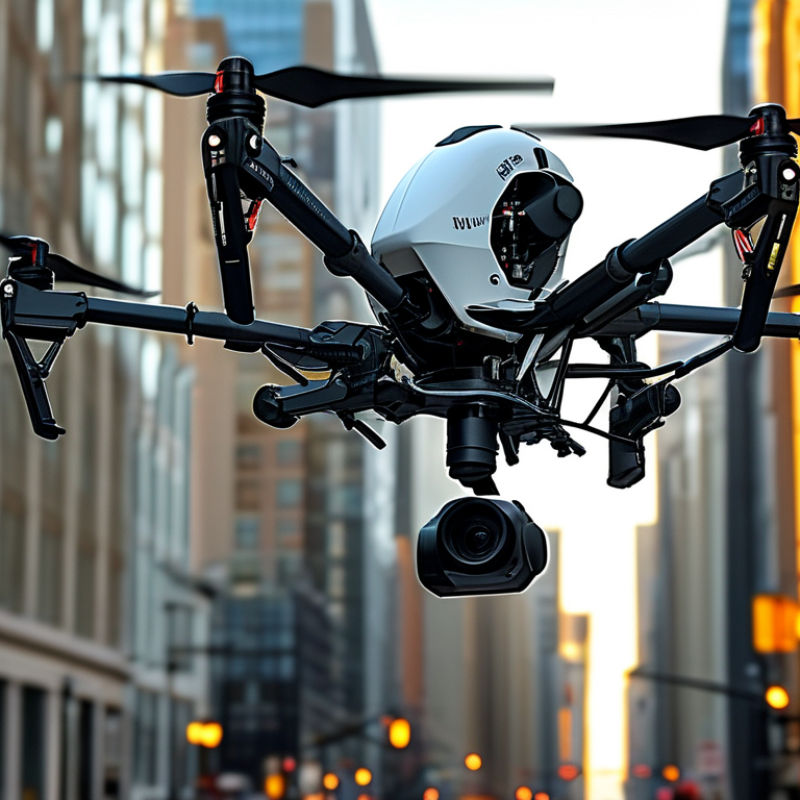
Factors to Consider When Selecting an Autonomous Security Drone
Choosing the right autonomous security drone involves careful consideration of several key factors. A major factor is the drone's payload capacity. Some drones can carry heavier equipment, which is essential for tasks like camera systems or sensors. Think about your specific needs—do you need thermal imaging or high-resolution photography? This decision will greatly influence your choice.
Another important aspect is the drone's flight range and battery life. Drones with longer flight times can cover larger areas, providing better security. However, be mindful of the limitations; sometimes, longer flights mean more wear on the device. Evaluate your environment too. Open spaces may require a different drone than tightly packed urban areas.
Lastly, look into the ease of use and available support. Some drones are designed for professionals, while others cater to beginners. A user-friendly interface can make a significant difference. Reflect on your skill level and the complexity of tasks you plan to undertake. This will help ensure that the drone you choose not only meets your security needs but is also manageable for you.
Understanding Different Types of Autonomous Security Drones
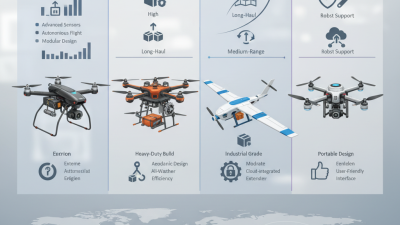
When exploring the different types of autonomous security drones, it's key to consider their unique functionalities. Fixed-wing drones cover large areas efficiently. They can fly long distances, making them suitable for expansive properties. On the other hand, quadcopters are ideal for detailed inspections and surveillance. Their maneuverability allows them to hover and take precise footage.
Several important factors to keep in mind include battery life and payload capacity. A drone's battery life affects how long it can perform its duties without interruptions. If your area is large, a drone with extended battery life is essential. Payload capacity, especially if you want to carry sensors or cameras, also matters. Make sure to choose a drone that can handle the weight of the equipment you plan to use.
In terms of user experience, consider the ease of operation. Some drones have intuitive controls that make them accessible for beginners. Others may require more expertise. Always reflect on your own skill level when making a choice. Features like obstacle avoidance and automated flight plans add layers of convenience. However, if these systems fail, understanding manual controls is crucial.
Key Features That Enhance Security and Functionality
When choosing an autonomous security drone, specific features can significantly enhance security and functionality. Look for drones equipped with high-resolution cameras. A clear view allows for better monitoring. Night vision capabilities can also be crucial. This ensures effective surveillance even in low-light conditions. Additionally, a robust flight time is essential. Drones that can stay airborne longer provide more extensive coverage.
Consider the drone's ability to operate in various weather conditions. Some drones struggle in rain or wind, limiting their effectiveness. Durability matters, too. A sturdy design will withstand harsh environments and prolong the drone's lifespan. Features like automated flight paths can simplify usage. This allows for systematic security checks around your property without constant manual control.
When evaluating options, focus on user-friendly interfaces. A complicated setup can lead to misuse. Training might be required, but intuitive controls help reduce errors. Data security should not be overlooked. How does the drone protect the footage? Reviewing these aspects ensures you choose a functional and reliable security solution. Reflecting on your specific needs can lead to better choices.
Evaluating the Costs and Budget for Your Security Drone Needs
Evaluating costs for security drones is crucial. Prices can vary widely based on features. Models with advanced sensors and longer flight times cost more. Budget considerations should include initial purchase, maintenance, and potential upgrades.
Determine what is essential for your needs. Do you require high-resolution cameras, thermal imaging, or live feed capabilities? Each feature can add to the total cost. Think about long-term expenses, too. Insurance, battery replacements, and software updates are often overlooked.
Always weigh the benefits against the costs. A drone with unnecessary features can waste money. Reflect on your priorities: is it surveillance, rapid response, or area coverage? Spending too much might lead to regret. Aim to find a balance between reliability and budget constraints.
Assessing the Regulatory Requirements for Drone Usage in Security
Understanding regulatory requirements is crucial when selecting an autonomous security drone. Each country has different laws governing drone use. These regulations often dictate flight altitude, restricted zones, and operating hours. Familiarizing yourself with these guidelines is essential. Ignoring them can lead to hefty fines or legal issues.
Many regions require specific licensing for commercial drone operators. This may include training or certification in drone operation and safety protocols. Compliance not only protects your investment but also enhances credibility. Assuring clients you adhere to regulations builds trust. However, navigating these rules can be complex and overwhelming. It’s wise to consult with legal experts or local authorities.
As regulations evolve, continuous education is key. Remaining informed about changes can be challenging. Regular updates on local laws can help prevent unintentional violations. Consider joining professional organizations that promote best practices. This networking can provide valuable insights into regulatory challenges.
Autonomous Security Drones Usage by Regulatory Compliance Levels
This chart illustrates the distribution of autonomous security drones according to their regulatory compliance levels. A majority of drones are fully compliant with regulations, while a smaller portion is only partially compliant or not compliant at all.