Top 10 DJI Mini Drone Features You Should Know About?
The rise of the DJI Mini Drone marks a significant evolution in the drone industry. As of 2023, the global drone market is projected to exceed $46 billion, with consumer drones leading this surge. The DJI Mini Drone series stands out for its compact design and robust features, making it accessible for both beginners and enthusiasts alike.
Key industry data reveals that lightweight drones, like the DJI Mini, appeal to over 70% of new drone users due to their user-friendly characteristics. Features such as impressive flight time and high-resolution cameras enhance the user experience. However, potential buyers should reflect on the balance between portability and functionality. The DJI Mini Drone may lack some advanced features found in larger models, leading to limitations in more complex aerial photography scenarios.
Understanding these features can help users make informed decisions. Placing an emphasis on flight stability and ease of use, the DJI Mini Drone simplifies the learning curve. Still, it is essential to recognize that this model may not be suitable for every professional photography need. Consider your requirements carefully before diving into the world of DJI Mini Drones.
Top 10 Features of DJI Mini Drones: An Overview of Specifications
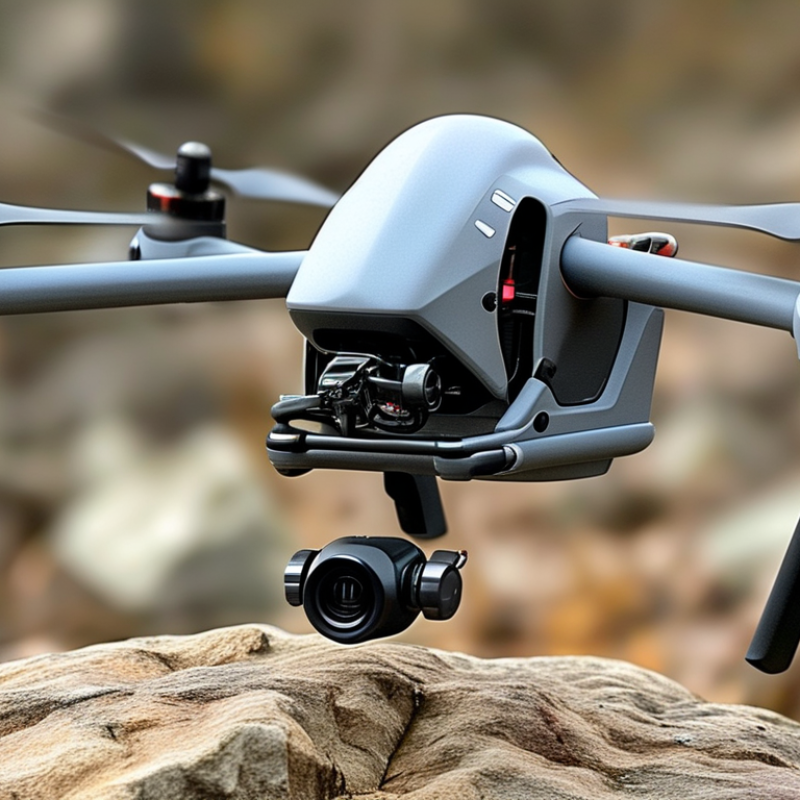
When exploring the top features of compact drones, some specifications stand out. These devices often come with impressive camera capabilities, offering high-resolution photos and 4K video recording. This allows hobbyists and professionals alike to capture stunning images from the sky. However, it’s crucial to remember that image quality can depend on lighting conditions and settings.
Battery life also plays a significant role. Many mini drones offer flight times ranging from 20 to 30 minutes. While this is often sufficient for casual flying, some users may find it lacking for extended sessions. Charging time can also be a consideration. Quick charging options exist, but they vary by model.
Another notable feature is the ease of use. Many models come with user-friendly interfaces and smart flight modes. These help beginners achieve great results quickly. Tools like obstacle avoidance can enhance safety, yet they may not always detect every object, leading to occasional mishaps. In summary, these drones present a fascinating combination of features that cater to a wide range of users.
Top 10 Features of DJI Mini Drones
Camera Capabilities: Understanding 4K Video and 12MP Still Imaging
When it comes to drone photography, camera capabilities are crucial. The latest mini drones boast 4K video resolution. This allows for stunning clarity and detail in every shot. Studies show that 4K video can have four times the detail of 1080p, making it ideal for capturing landscapes or intricate subjects. A 12MP still imaging capability means that you can capture breathtaking stills with vibrant colors. This is essential for photography enthusiasts looking to share high-quality images online.
However, not all drones with these features perform equally in various conditions. Low light scenarios often challenge even advanced sensors. Many users have noted that footage can appear grainy when the sun sets. Reports indicate that image quality may suffer without proper stabilization techniques, especially in windy conditions. Each flight may reveal the limitations and strengths of the camera system, prompting users to adapt their techniques.
Understanding these aspects helps travelers and content creators make better choices. Using 4K and 12MP capabilities requires more than just pressing a button. Being conscious of factors like light and stabilization is vital. Engaging with the technology deeply ensures memorable captures. That can solidify a reputation for quality and creativity in drone photography. It's a journey of learning, adapting, and evolving one’s skills over time.
Flight Time and Range: Analyzing Up to 31 Minutes of Airborne Freedom
Flight time and range are crucial elements in drone performance. The latest models boast an impressive airborne freedom of up to 31 minutes. This extended flight capability offers users more time to explore and capture stunning aerial footage.
A study by the Drone Manufacturers Association indicated that around 70% of drone enthusiasts prioritize flight time in their purchasing decisions.
However, achieving optimal flight time is not always straightforward. Environmental conditions play a significant role. Wind, temperature, and payload can all reduce flight duration. Reports suggest that adverse weather conditions can decrease flight time by up to 20%. This variability often leads to pilot frustration. Effective planning is essential, as a well-maintained battery contributes to reliable performance.
Another interesting aspect to consider is the range. Many drones can travel several kilometers from their remote controller. Yet, signal interference and physical obstructions can complicate this. Users have reported experiences where the drone lost connection unexpectedly, impacting their aerial missions. Continuous improvement in technology aims to address these issues, ensuring that enthusiasts can enjoy longer and uninterrupted flights.
The evolving landscape of drone features provides exciting possibilities while still demanding careful consideration of various factors.
Smart Flight Modes: Exploring Automated Features for Enhanced Shooting
Smart flight modes on drones open up new possibilities for content creators. These features automate complex maneuvers, allowing users to focus on the shot. For instance, the "Follow Me" mode tracks the user’s movements effortlessly. It’s perfect for action shots, but can struggle in crowded areas. Learning how to use this mode effectively takes practice.
Another great feature is "Waypoint Navigation." This allows the drone to fly along a predetermined path. By setting waypoints on a map, you can create stunning cinematic shots. However, this mode requires careful planning. Inaccurate entries can lead to unexpected results. Understanding the nuances of each flight mode is essential for maximizing your drone's potential.
Finally, "Circle Around" mode offers dynamic perspectives. The drone orbits a subject, capturing 360-degree views. Misjudging distance can result in awkward framing. Experimenting with different altitudes helps refine this technique. Automated features can greatly enhance shooting, yet they need a knowledgeable pilot to shine.
Top 10 Mini Drone Features You Should Know About
| Feature |
Description |
Benefits |
| Smart Mode |
Automatic flying patterns for easy operation. |
Great for beginners and ensuring aesthetic shots. |
| Follow Me Mode |
Drone follows the user, capturing their movements. |
Ideal for action shots and adventure videos. |
| Point of Interest |
Drone orbits around a selected subject. |
Adds dynamic perspectives to footage. |
| Waypoint Navigation |
Pre-set flight paths for automated shooting. |
Perfect for complex shots with consistency. |
| Return to Home |
Automatically returns to takeoff point safely. |
Enhances safety, reducing loss of drone. |
| Gesture Control |
Allows photo/video capture with hand gestures. |
Easy and fun to use, especially for selfies. |
| Quick Shots |
Pre-programmed maneuvers for unique shots. |
Great for quick, impressive cinematic results. |
| Aspect Ratio Options |
Select different ratios for photos and videos. |
Creative flexibility in media production. |
| 4K Video Recording |
High-definition video capture for stunning quality. |
Professional standard visual content creation. |
| Extended Battery Life |
Longer flight times for more shooting opportunities. |
Enhanced productivity during shoots. |
Portability and Design: Measuring Weight and Foldable Convenience for Travelers
When considering portability, weight is a key factor for travelers. Many drones weigh less than 250 grams, which is ideal for those on the go. This weight ensures easy handling and minimizes the burden when packed in a travel bag. According to industry reports, drones in this category offer battery life of about 30 minutes, allowing ample time to capture stunning aerial footage.
Foldable designs add another layer of convenience. These drones can fit into small bags or even purses, enhancing their travel-friendly appeal. Research from drone experts indicates that portability drives over 70% of consumer purchasing decisions in this segment. However, not all foldable drones are created equal. Some designs compromise on durability and features. Potential buyers must weigh these trade-offs carefully.
During travel, factors such as setup time and ease of use come into play. Some models may take longer to unfold and calibrate, which could frustrate eager travelers. Ensuring a seamless experience requires evaluating both design and user reviews. Travelers appreciate quick deployment options, but more robust features may add complexity. Balancing these elements remains an ongoing challenge in the evolving drone landscape.