Why Choose RC Drones for Your Business Needs?
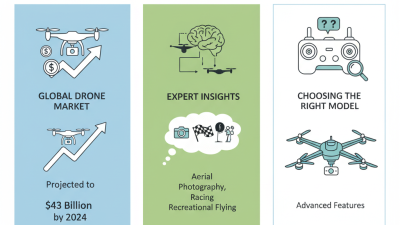
In the rapidly evolving landscape of modern business, RC drones have emerged as powerful tools. According to a recent report by MarketsandMarkets, the global drone market is projected to reach $42.8 billion by 2025, with RC drones playing a pivotal role in this growth. Many industries, from agriculture to logistics, are tapping into the efficiency and innovation offered by these devices.
Expert Thomas A. Barlow, a leading figure in the drone industry, states, "RC drones transform how businesses operate, enhancing both productivity and data collection." His insights shed light on the profound impact these drones have across sectors. Businesses are leveraging RC drones for aerial surveillance, asset tracking, and even delivery services. However, the integration of these technologies presents challenges such as compliance, training, and initial investment costs.
Adopting RC drones is not solely about investment; it's about reshaping operations. Companies must weigh the potential benefits against the hurdles they may face. As with any technology, continual adaptation and learning are essential. Finding the right balance in the deployment of RC drones can lead to significant competitive advantages.
Benefits of Using RC Drones in Various Industries
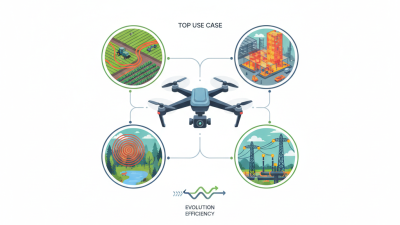
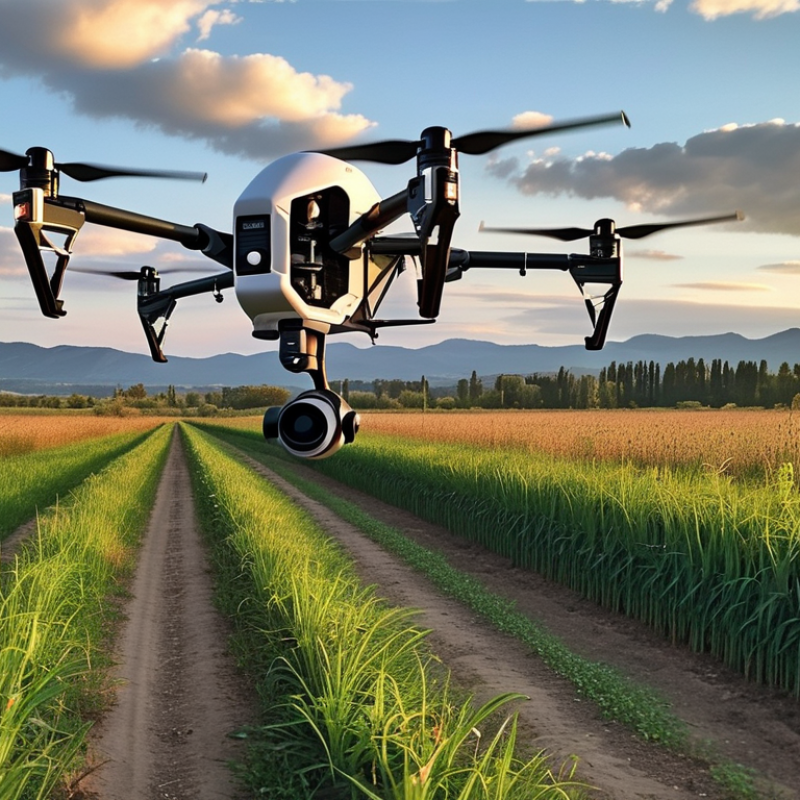
Remote-controlled (RC) drones are transforming various industries. In agriculture, they enhance crop monitoring and precision farming. A report by MarketsandMarkets indicates that the agricultural drone market is set to reach $2 billion by 2025. Farmers use drones to assess crop health and optimize irrigation. This leads to reduced waste and improved yield.
In construction, drones streamline project management. They provide aerial views that help in surveying land and monitoring progress. The integration of drones can cut survey time by up to 80%, according to a study from McKinsey. This efficiency can lead to significant cost savings. Construction teams can quickly identify potential issues on-site, but they need to balance technology with human oversight.
Logistics also benefits from drone usage. Drones facilitate swift deliveries and inventory checks, especially in warehouses. They can navigate to hard-to-reach locations, boosting overall productivity. However, challenges remain, such as regulatory approvals and safety concerns. Balancing innovation with compliance is essential for sustainable implementation.
Key Features of RC Drones for Business Applications
RC drones have become essential tools for businesses across various sectors. Their versatility and advanced capabilities make them highly valuable. One notable feature is high-resolution cameras. They capture clear images and videos from unique angles. This feature aids industries like agriculture and construction by providing detailed aerial views. Organizations can make informed decisions based on precise data collected from the air.
Another key aspect is ease of operation. Many RC drones come with user-friendly interfaces. This allows even those without extensive technical skills to operate them effectively. Training sessions for staff can be shortened, reducing downtime. However, companies should be aware of the learning curve associated with advanced features. This might lead to initial errors or mishandling.
Lastly, the durability of RC drones stands out. They are designed to withstand harsh weather conditions. However, users should regularly inspect them for wear and tear. This maintenance is crucial to ensure reliability over time. The technology is evolving rapidly, so staying updated with the latest features is essential for maximizing their potential.
Key Features of RC Drones for Business Applications
Cost-Effectiveness of RC Drones Compared to Traditional Methods
In recent years, RC drones have emerged as a cost-effective alternative to traditional business methods. According to a report by the Association for Unmanned Vehicle Systems International, using drones can reduce operational costs by up to 70%. This significant savings comes from decreased labor costs and improved efficiency. Drones can cover large areas in a fraction of the time it would take a ground crew.
For example, in sectors like agriculture, drones help to monitor crop health, reducing the need for excess manpower. Traditional surveying methods can take days or weeks, but drones provide real-time data within hours. The reduced timeframes can enhance decision-making processes and lead to quicker project turnaround. However, implementing drone technology does require upfront investment and training.
While RC drones are not without challenges—such as regulatory compliance and technical issues—their potential for cost savings is prompting many industries to reconsider their operational methods. The need for constant adaptation and learning in this sector should not be overlooked, as businesses must remain agile to fully leverage these new tools.
Why Choose RC Drones for Your Business Needs? - Cost-Effectiveness of RC Drones Compared to Traditional Methods
| Feature |
RC Drones |
Traditional Methods |
| Initial Investment |
$1,500 - $5,000 |
$10,000 - $50,000 |
| Operating Costs (per hour) |
$50 |
$200 - $500 |
| Time to Deploy |
15 minutes |
60 minutes |
| Coverage Area (per hour) |
100 acres |
20 acres |
| Data Collection Accuracy |
High |
Moderate |
| Environmental Impact |
Low |
High |
Regulatory Considerations for Commercial Drone Usage
When considering RC drones for business, regulatory factors are crucial. The use of drones in commercial settings is governed by various regulations. Different countries have specific laws regarding drone usage. Understanding these laws is essential for compliance. Businesses must be aware of airspace restrictions and no-fly zones. Additionally, the requirement for pilot certification can vary. Some regions necessitate a Remote Pilot Certificate. Failing to comply can result in fines or business disruptions.
Moreover, insurance can affect your operations. Many countries require liability insurance for commercial drone use. This adds a layer of responsibility for businesses. Companies may face challenges in obtaining the necessary permits. The application process can be lengthy and complex. Each operator must have a clear operational plan to follow. Regular audits and updates can ensure adherence to the regulations.
Navigating this regulatory landscape is not always straightforward. Some businesses may find it frustrating and time-consuming. However, remaining informed and proactive can mitigate risks. Engaging with experts who understand the landscape can provide guidance. It’s crucial to adapt to any changes in legislation. As the industry evolves, staying compliant must be a priority.
Future Trends in RC Drones for Business Innovation
The rise of RC drones in various industries signals a compelling shift towards innovation. According to a recent UAV Report, the global drone market is projected to reach $42 billion by 2025. This fast growth highlights the importance of incorporating drone technology for businesses. As industries embrace these tools, operational efficiency and cost-effectiveness increase substantially.
Future trends suggest an escalation in drone automation. Software advancements are making autonomous flights more reliable. A study from the Drone Industry Insights states that 70% of companies adopting autonomous drones report reduced operational costs. This is crucial for maintaining competitive advantage. Advanced data analytics from drones can offer deep insights into customer behavior, enhancing business strategies.
Moreover, ongoing research has identified a gap in regulatory frameworks. While innovation surges ahead, businesses face challenges in compliance. Balancing innovation with regulatory requirements is vital. There is a real need for stakeholders to come together. Addressing these concerns will facilitate smoother integration of drones into various sectors, paving the way for future growth and possibilities.