Top Membrane Press Machine to Boost Your Production Efficiency?
In today's competitive manufacturing landscape, efficiency is paramount. The introduction of advanced technology has transformed production processes. One such innovation is the Membrane Press Machine. This equipment is designed to enhance production efficiency across various industries.
Membrane Press Machines offer precise control and uniform pressure, ensuring quality results. These machines are particularly useful in furniture, automotive, and cabinetry production. Utilizing this technology can significantly reduce production time and waste. However, adopting such machines requires careful consideration of your specific needs and operating environment.
Investing in a Membrane Press Machine can yield great benefits. Yet, it's essential to evaluate potential drawbacks, such as maintenance costs and operator training. Balancing these factors will lead to informed decisions. Embracing new technologies poses challenges, but the rewards can dramatically boost productivity.
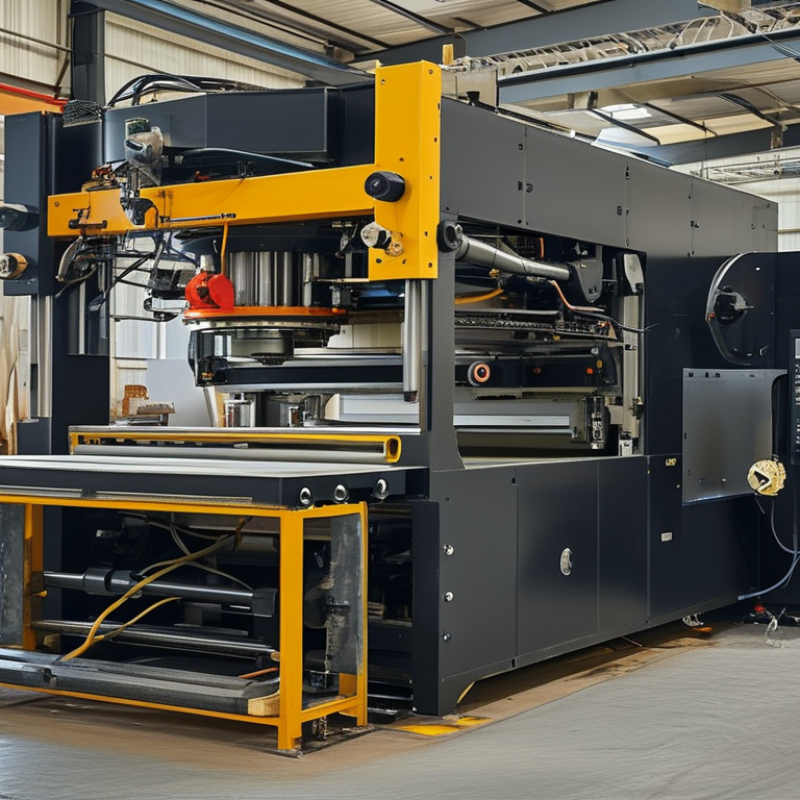
Understanding Membrane Press Machines: Key Components and Functionality
Membrane press machines are vital in modern manufacturing. They offer efficiency and precision in production lines. These machines utilize heat and pressure to form materials. They are popular in industries like furniture and automotive. According to industry reports, 55% of manufacturers have seen improved output after adopting these machines.
Key components include pressure plates, heating elements, and control systems. Pressure plates ensure uniform distribution, which is crucial for quality. Heating elements regulate temperature consistently, supporting material integrity. However, reliance on automated systems can lead to issues. If a machine malfunctions, production halts. That's why human oversight remains important.
Understanding machine functionality is essential. Many users underestimate maintenance needs. Regular checks are necessary to prevent breakdowns. Data shows that 30% of machine failures stem from inadequate maintenance. Adopting a proactive maintenance schedule can enhance overall performance. Training personnel on these aspects can also lead to better usage. The balance between automation and human intervention can significantly impact production outcomes.
Benefits of Using Membrane Press Machines in Various Industries
Membrane press machines are transforming production processes across various industries. They provide increased efficiency by significantly reducing production time. For instance, furniture manufacturers report a 30% decrease in time spent on surface laminating tasks. This swift process brings the products to market faster, which is critical in today’s competitive landscape.
Additionally, these machines improve quality consistency. Reports show that manufacturers achieve a 20% reduction in defects when using membrane press technology. Errors related to manual processes often result in waste and additional costs. Using membrane presses minimizes these risks. Industries such as automotive and cabinetry are crucial beneficiaries of this technology.
However, challenges exist. The initial investment in membrane press machines can be steep. Smaller companies may hesitate due to budget constraints. Plus, operators require training to fully utilize these machines. Without proper understanding, the potential benefits may not be realized. Balancing investment and training is vital for maximizing productivity gains.
Industry Standards and Certifications for Membrane Press Machines
When considering membrane press machines, industry standards are crucial. These machines must comply with established guidelines to ensure quality and efficiency. Certifications from recognized bodies verify that the equipment meets safety and operational criteria. This can significantly enhance production reliability.
Adhering to standards affects not just legal compliance but also operational effectiveness. Machines with proper certifications often perform better. They offer increased durability and efficiency. However, not all manufacturers prioritize these standards, which can lead to variability in product quality. It's vital to research and confirm compliance before making a purchase.
Focusing on certifications can lead to increased production. However, it's essential to balance cost and quality. Sometimes, lower-priced machines may not meet industry requirements, which can affect long-term gains. Investing in certified equipment might seem expensive, but it usually pays off in reduced downtime and enhanced output. Understanding these aspects is key to making informed decisions in a competitive landscape.
Comparative Analysis: Top Membrane Press Machine Brands and Their Features
The membrane press machine market is evolving rapidly. According to recent industry reports, the demand for high-efficiency presses has surged by 25% in the last two years. This rise is driven by a need for better production rates in various sectors, such as furniture manufacturing and automotive parts. Manufacturers are now focusing on features that enhance both speed and accuracy. For instance, machines with automatic pressure adjustment have become a game-changer. They ensure consistent output, reducing the margin for error.
Some brands highlight their advanced heating technology, which improves adhesion quality. Data shows that improved heat control can increase resin activation by 30%. On the other hand, not all membrane press machines are created equal. Some users report issues with durability and maintenance. Continuous use may lead to wear and tear, affecting long-term performance. Understanding these factors is crucial when investing in such equipment.
As production needs become more demanding, it's vital to select a machine that balances efficiency and reliability. Features like user-friendly interfaces and quick setup times can significantly enhance workflow. However, one must keep in mind that the initial investment can be substantial. Companies need to reflect on their specific production requirements. Ultimately, choosing the right membrane press machine demands careful consideration of both technical features and operational needs.
Production Efficiency of Membrane Press Machines
Maximizing Production Efficiency: Best Practices for Membrane Press Operations
Maximizing production efficiency in membrane press operations requires understanding essential practices. One critical aspect is proper machine maintenance. Regular checks can prevent malfunctions and costly downtime. Operators should create a scheduled maintenance plan that includes lubrication, inspections, and parts replacements.
Employee training plays a vital role in efficiency. Skilled workers can operate membrane presses more effectively. They understand how to set pressures and temperatures, leading to consistent output. However, training is often overlooked. Companies must invest time and resources to ensure employees are fully trained.
Monitoring production metrics is essential. Keeping track of output rates and defect levels helps identify bottlenecks. If the defect rate is too high, it often indicates a need for process adjustments. Collecting data can highlight areas needing improvement, although it can be time-consuming. Balancing immediate production needs with long-term efficiency strategies is challenging but necessary for growth.