How to Choose the Best Flying Camera Drone?
Choosing the best flying camera drone is not about buying the most expensive model. It is about matching the aircraft to your real shooting needs. A travel creator may value a lightweight body, while a property photographer may need longer flight time and sharper detail. Your first decision should be practical.
Picture the scene. You are filming a coastline at sunrise, with salt mist touching the propellers. A stable gimbal, obstacle sensing, and reliable return-to-home function suddenly matter more than impressive advertising. Check camera resolution, low-light performance, transmission range, battery availability, and controller comfort. A beautiful specification sheet cannot replace dependable handling.
Colin Snow, founder of Drone Analyst, has said, “The drone industry is not about drones. It’s about data.” That idea also applies to choosing a flying camera drone. Consider how easily you can organize footage, transfer files, and repeat a successful flight. Storage speed matters. Software matters too.
No buying guide is flawless. Personal habits can defeat careful research. A beginner may focus on megapixels and overlook wind resistance. An experienced pilot may trust familiar controls too much. I would also question claims based only on laboratory tests, because real weather is less polite. Read independent reviews, inspect sample footage, and compare batteries, repairs, and support before purchasing. The right flying camera drone should produce clear images, predictable flights, and fewer anxious moments when the landscape becomes distant.
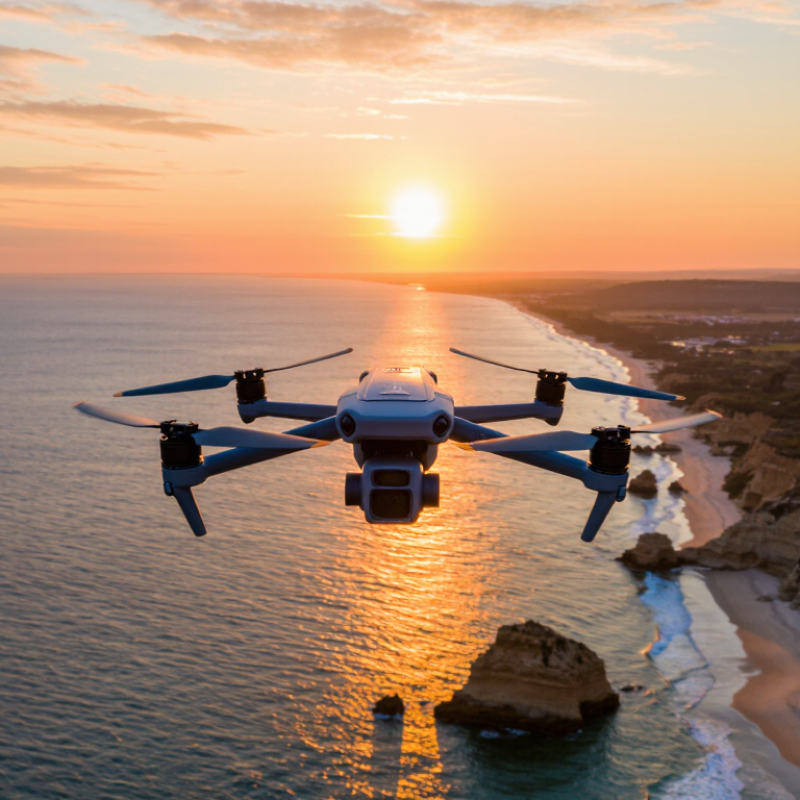
Identify Your Photography and Flight Needs
Choosing the best flying camera drone starts with your photography and flight needs, not its advertised top speed. The FAA reported more than 850,000 registered drones in the United States in 2024, showing how varied the user base has become. A travel photographer may value a foldable body, low weight, and reliable obstacle sensing. A filmmaker may need a larger sensor, 10-bit video, smooth stabilization, and adjustable exposure. Decide what you actually shoot.
Ask where and when you will fly. Coastal wind, narrow streets, forests, and twilight scenes demand different performance. Check battery endurance in realistic conditions, not only laboratory claims. Drone Industry Insights’ 2024 market analysis identifies imaging capability as a central value in many commercial systems, but flight reliability remains equally important. A sharp camera is useless if the aircraft cannot hold position near trees or return safely in changing wind.
My own mistake was choosing resolution before handling. The footage looked impressive, yet the controls felt tiring after twenty minutes. Test the controller layout, live-view clarity, and takeoff procedure before buying. For still images, compare raw capture, dynamic range, and lens angle. For video, inspect stabilization during slow turns and braking. Short flights help.
Reflect on your habits. Will you carry it on a train, launch it from a field, or film moving subjects? Read independent test data, verify local operating rules, and leave margin for weather, battery aging, and human error. Specification sheets rarely show those imperfect moments.
Compare Camera Quality and Flight Performance
How to Choose the Best Flying Camera Drone?
Compare Camera Quality and Flight Performance
Choosing a flying camera drone starts with matching image quality to real shooting conditions. A larger sensor usually captures cleaner details in dim light. Check resolution, dynamic range, and video bitrate, not resolution alone. High resolution can look impressive, but weak processing may create muddy shadows and artificial edges. A three-axis gimbal helps keep footage steady during turns and sudden stops. I also inspect sample clips frame by frame, especially around tree branches and building lines.
Flight performance matters just as much. Test how quickly the aircraft responds to gentle stick movements. Smooth control is more useful than extreme speed for filming people, roads, or moving water. Positioning sensors should hold the drone steadily when wind changes. Battery claims need careful judgment because they often reflect calm conditions and slow flying. In practice, cold weather, repeated climbs, and strong wind reduce usable flight time.
Small details can affect the final shot. A quiet motor may help during outdoor interviews. Obstacle sensing can reduce mistakes, but it cannot replace attention or planning. I once trusted automatic stabilization too much and lost a clean horizon during a sharp sideways move. The footage looked acceptable on a phone, yet unstable on a larger screen. That experience changed my testing method: I now compare camera clips and flight controls under the same light, distance, wind, and battery level. Real conditions reveal more than a specification sheet.
How to Choose the Best Flying Camera Drone?
Compare camera quality and flight performance using representative specifications commonly found in current consumer and professional drone models.
How to read the chart: Higher megapixels generally provide more detail for cropping and large images, while longer flight time supports extended aerial filming. Sensor size, stabilization, lens quality, and wind conditions should also be considered.
Evaluate Controls, Safety Features, and Ease of Use
A useful flying camera drone should feel predictable before it feels impressive. Check whether the controller’s sticks respond smoothly and whether camera tilt has a separate, easy-to-reach dial. A short delay between your input and the drone’s movement can make framing a doorway or shoreline frustrating. Try the controls in a clear, open area before attempting more complex shots. Small details matter.
Safety features deserve a closer look than a product checklist. Return-to-home functions can help when the battery runs low or the signal weakens, but they depend on correct setup and a reliable home-point signal. Obstacle sensors may not detect thin wires, branches, or dark surfaces. They are aids, not guarantees. Check how the drone warns about battery levels, signal loss, and restricted flight areas, and learn how to stop or land it quickly.
Ease of use often shows up in the first ten minutes. Is the setup process clear? Can you read the battery and connection status without digging through menus? A steady beginner mode, simple calibration steps, and propeller guards can reduce avoidable mishaps. If possible, test the app outdoors, where glare can hide small icons. I would not assume the most automated option is always the easiest; some prompts take practice, and manuals can be oddly vague. Choose controls and safety tools you can understand under pressure.
Match Drone Types and Prices to Your Priorities
Choosing the best flying camera drone starts with your priorities, not the highest price. I have found that beginners often need simplicity, stable video, and dependable battery performance. A compact drone under $300 can suit weekend trips, family footage, and basic landscape practice. It may struggle in strong wind, though.
If image quality matters more, consider a midrange model costing roughly $300 to $900. Look for a larger camera sensor, mechanical stabilization, obstacle awareness, and replaceable batteries. These features help when filming moving subjects or dim evening scenes. Serious creators may need professional equipment above $900, but expensive hardware does not automatically produce better judgment. I still make framing mistakes sometimes.
Tips: Write down your main use before shopping. Compare total costs, including batteries, storage, repairs, and training. Check flight-time claims under realistic conditions, because wind and cold reduce endurance. Test controls in an open, permitted area, and follow local aviation rules. A lighter drone is easier to carry, but a heavier model often handles wind better. Choose carefully.
How to Choose the Best Flying Camera Drone? — Match Drone Types and Prices to Your Priorities
Note: Prices and flight times are broad estimates for consumer drones. Actual flight time is usually shorter than the advertised maximum and varies with wind, temperature, battery age, payload, and flying style. Check local registration, airspace, and remote-identification requirements before flying.
Check Legal Requirements, Reliability, and Support
Choosing a flying camera drone begins with legal checks, not image quality.
Rules differ by country, city, and flight purpose. In the United States, the Federal Aviation Administration reported more than 785,000 registered drones in early 2024. Registration, remote identification, airspace restrictions, and pilot certification may apply. In Europe, the European Union Aviation Safety Agency requires operator registration for many camera-equipped drones. Check the official aviation portal before charging the battery. Keep a screenshot of local flight restrictions.
Reliability matters when the drone is above a road, shoreline, or crowded park.
Review published specifications for wind resistance, return-to-home accuracy, obstacle sensing, and battery safety. The 2024 Drone Industry Insights market report identifies safety, regulation, and operational reliability as major barriers to wider drone adoption. That matters in practice. A drone that loses connection after six minutes is not dependable, even if its camera looks impressive. Test it in an open field first. Small mistakes become expensive quickly.
Support is easy to underestimate.
Look for clear repair procedures, firmware notices, spare battery availability, and response times from the service team. Ask whether support remains available after warranty coverage ends. The Federal Aviation Administration’s safety guidance repeatedly emphasizes preflight planning and equipment checks, but real users still skip them. I have done that too. A printed checklist feels slow, yet it can expose a cracked propeller before takeoff. Read independent reviews, but treat dramatic praise cautiously. Reliable support should be measurable, reachable, and documented.