10 Essential Tips for Choosing the Best Flying Camera Drone?
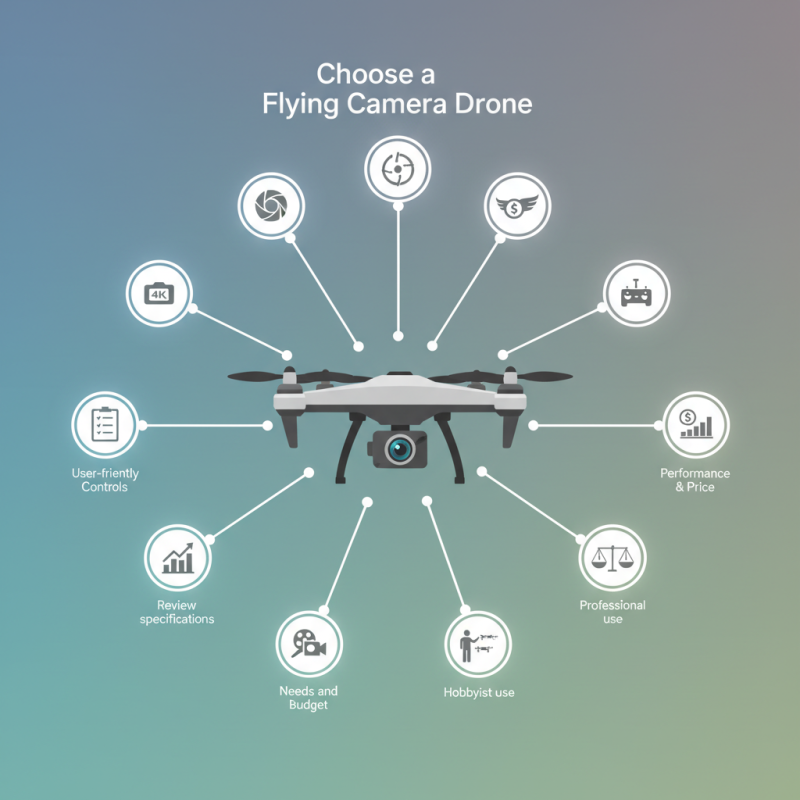
In recent years, the flying camera drone market has exploded. According to a recent industry report, the global drone market is projected to hit $43 billion by 2024. This surge reflects the rising popularity of these devices for photography and videography. Choosing the right flying camera drone can be daunting with so many options available.
Consumers now demand high-quality images and user-friendly features. Certain drones offer 4K resolution, advanced stabilization, and impressive flight times. But not every model meets these standards. Many users report frustration over complicated controls and lackluster battery life. It’s crucial to review specifications before making a purchase.
When selecting a flying camera drone, consider your needs and budget. Different models cater to various skill levels and purposes. Professional filmmakers may prefer high-end drones, while hobbyists might enjoy entry-level options. Evaluating both performance and price can lead to better choices, ensuring satisfaction and optimal flight experiences.
Understanding the Different Types of Flying Camera Drones Available
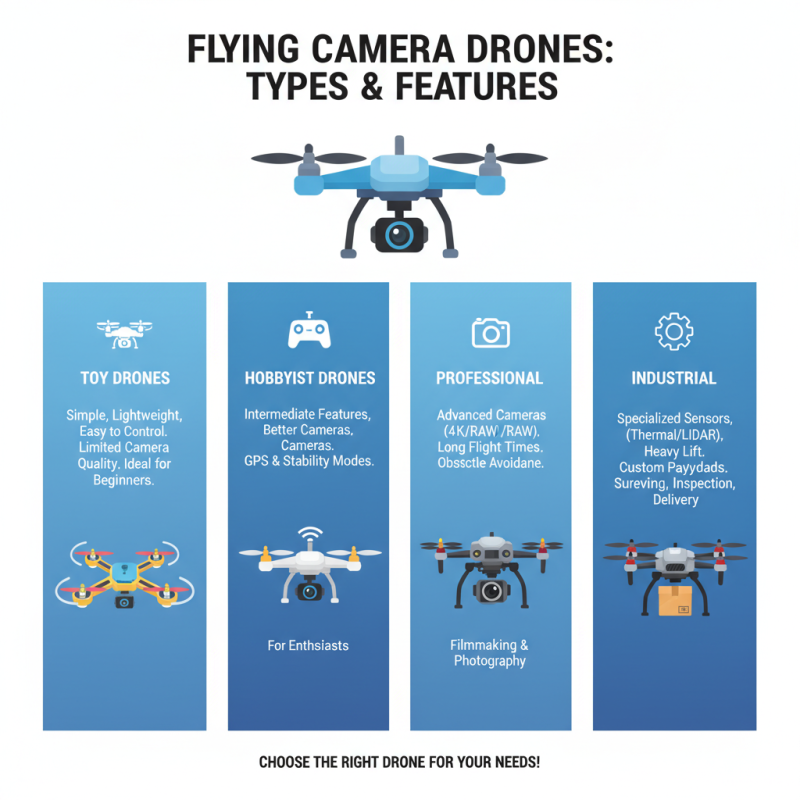
When it comes to flying camera drones, understanding the different types available is crucial. There are several categories, each with unique features. For instance, toy drones are simple and ideal for beginners. They are often lightweight, easy to control, and great for casual flying. However, their camera quality is typically limited.
On the other hand, professional drones offer high-definition cameras. These drones come with advanced stabilization and longer flight times. They can capture stunning aerial shots, but they require more skill to operate. The price tag is also significantly higher. Another option is the racing drone, designed for speed and agility. They have no cameras or low-quality ones. This type caters to enthusiasts wanting thrilling experiences in the sky.
Many beginners struggle to choose the right type. It's easy to be distracted by impressive specs or flashy features. Users often overlook their actual needs and flying experience. Evaluate your goals. Will you fly for fun or for professional photography? This reflection can help guide your decision.
Key Specifications to Consider When Selecting a Drone
When selecting a flying camera drone, key specifications play a vital role.
Camera quality is paramount. Most users prefer at least
12MP for stills and 4K video. Reports show that drones with higher megapixels
significantly enhance image clarity.
Battery life is another aspect
to evaluate. Many entry-level drones average 20 minutes in flight, while high-end models can
last up to 40 minutes. This can affect your filming capabilities significantly.
Weight also impacts flight performance and portability. Lightweight drones are easier to transport but may
struggle in windy conditions. For stability, consider drones with a weight of 500 grams or
more. Furthermore, sensor technology is crucial for obstacle avoidance. Drones equipped with
advanced sensors can navigate complex environments. Studies indicate that drones with these features have a
lower crash rate, ensuring safe flying experiences.
Lastly, the range and control options matter. Drones
with a range exceeding one mile offer greater flexibility. However, Wi-Fi connections can
introduce latency issues. Always test and reflect on the control distance and responsiveness before committing.
Your choice should align with your specific needs and desired performance.
Evaluating Camera Quality and Imaging Capabilities
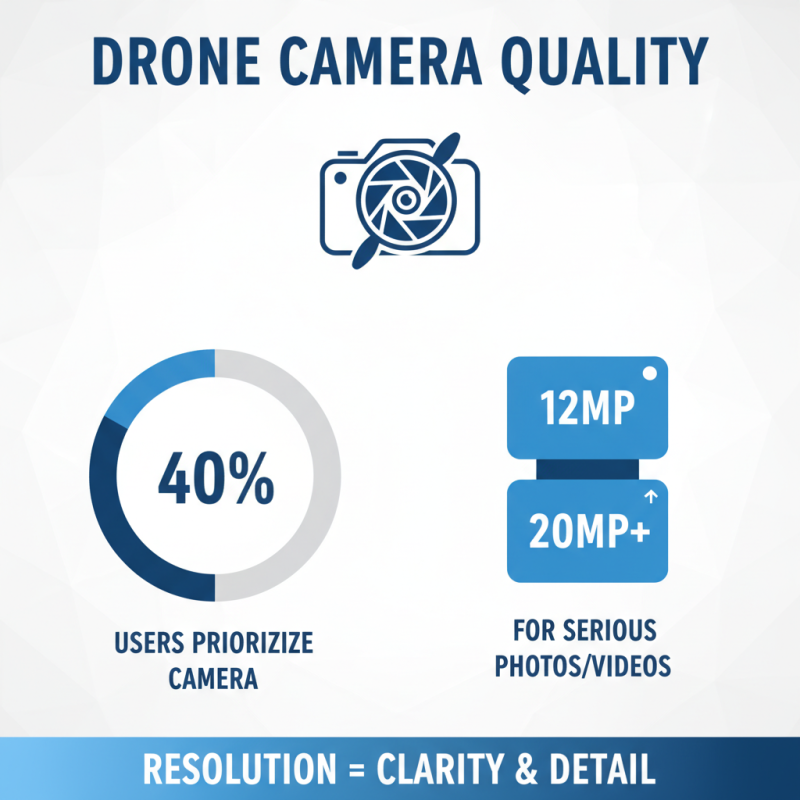
When selecting a flying camera drone, camera quality is crucial. According to industry reports, 40% of users prioritize imaging capabilities. The resolution of the camera directly impacts the clarity of your photos and videos. Most drones now offer at least 12MP, but going for 20MP or higher is wise for serious photographers. Higher resolution provides more details, especially when cropping images.
Tip: Always check the sensor size. Larger sensors capture more light, improving low-light performance. Look for drones with 1-inch sensors for better results. Images shot in daylight often differ drastically from those taken at dusk or dawn. A drone that performs admirably in bright light may falter under challenging conditions.
Another consideration is the stabilization technology. Gimbals and advanced electronic stabilization enhance video smoothness. Clients are more likely to appreciate high-quality footage that does not suffer from shakes or jitters. Data shows that roughly 60% of users value stabilization highly when judging drone performance. Without it, even a great camera can fall flat.
Tip: Research user reviews for real-world performance. This can help reveal potential camera issues that specs don’t show. The perfect drone might not exist, but informed choices can lead to satisfaction.
Assessing Flight Time and Battery Life for Optimal Performance
When selecting a flying camera drone, assessing flight time and battery life is crucial. These factors directly impact your shooting opportunities. Many drones offer varying flight times, usually ranging from 15 to 30 minutes. However, this can vary based on weight, weather, and flying style.
It's vital to check the drone's battery capacity. A larger battery often means longer sessions but may also add weight. Users might find themselves in situations where the drone unexpectedly drops mid-flight. Planning for extra batteries could be the solution. Keep in mind, frequent recharging can be a hassle.
Consider how you intend to use the drone. If it's for short clips or casual photography, a shorter flight time may suffice. Longer flights demand reliable battery life to avoid interruptions. Remember that high-capacity batteries also require careful handling and maintenance. Balancing capacity and ease of use is essential for an optimal flying experience. Always monitor battery levels during flights and be prepared for critical moments.
Flight Time and Battery Life Comparison of Popular Drones
Navigating Local Regulations and Safety Guidelines for Drone Use
When flying a camera drone, understanding local regulations is crucial. Every region has its own rules about where drones can be operated. Restrictions might include proximity to airports, populated areas, and nature reserves. Ignoring these rules can lead to serious penalties. Research the guidelines in your area thoroughly before taking off.
Safety guidelines also play an important role. Always fly your drone in open spaces. Keep a safe distance from people and animals. A drone's malfunction can result in unintended accidents. Consider using a checklist before each flight. It might help avoid common mistakes. Remember to keep the drone within your line of sight. If you lose visual contact, it becomes challenging to control the drone safely.
Local weather is another factor to consider. Wind and rain can significantly affect drone stability. Knowledge of basic weather patterns is essential. Planning your flights on suitable days can improve both safety and video quality. Accept that sometimes, weather conditions will force you to cancel plans. Adapting to these realities is part of responsible drone piloting.