7 Tips for China to Dubai Shipping Costs and Time?
China To Dubai Shipping can look simple until costs, schedules, and documentation begin changing together. A quoted rate is only one part of the decision. Freight mode, cargo dimensions, season, origin city, destination address, and delivery terms can alter the final amount.
This guide shares seven practical tips for comparing shipping costs and transit times between China and Dubai. It considers sea freight, air freight, rail connections, consolidation, customs preparation, insurance, and delivery planning. Sea freight often suits heavier cargo, while air freight may help with urgent, compact shipments. However, neither option guarantees an exact arrival date. Port congestion, vessel schedules, inspections, and public holidays can create delays.
Measure cartons carefully, including length, width, height, and gross weight. Small details matter. Incorrect measurements may trigger revised charges after booking. Ask forwarders to separate freight, handling, customs-related, and last-mile fees. Clear Incoterms can also prevent disputes about responsibility and payment.
Reliable planning depends on current carrier schedules and complete commercial documents. Product descriptions, invoices, packing lists, and certificates should match the shipment. Requirements can vary by product and shipment type, so confirm details with qualified logistics professionals and relevant authorities.
No estimate is perfect. I have seen careful plans change after a missed cutoff or delayed document. That is why realistic time buffers matter. Comparing several written quotations can reveal hidden assumptions, unusual exclusions, and service differences. The goal is not always the cheapest shipment. It is a predictable, compliant, and suitable route for your cargo.
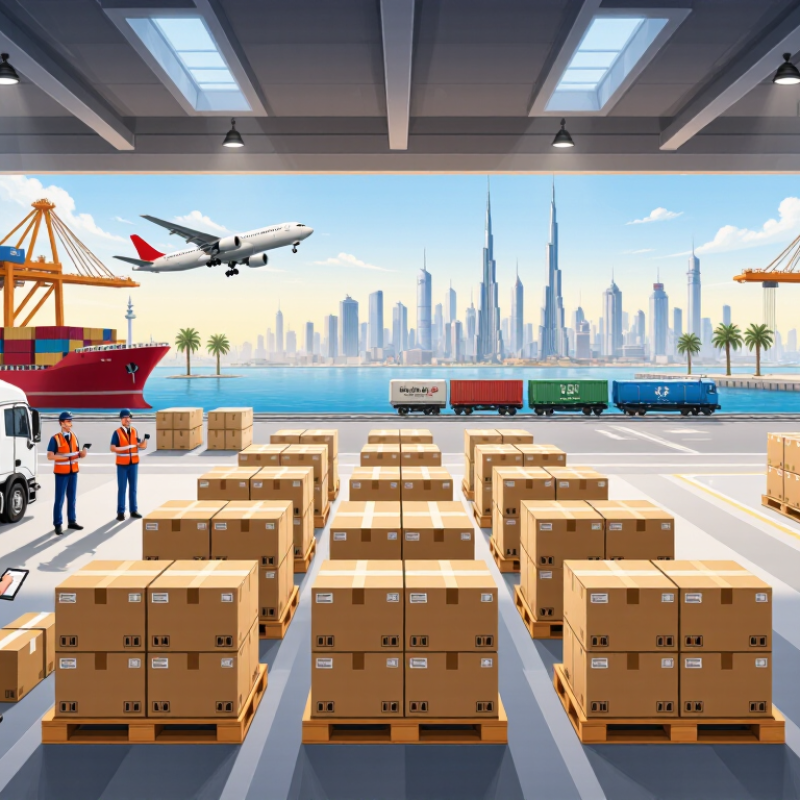
Define the Main Factors Affecting China–Dubai Shipping Costs
7 Tips for China to Dubai Shipping Costs and Time?
China–Dubai shipping prices depend on more than distance. Freight mode is the main choice: sea freight usually costs less, while air freight reduces transit time. Cargo weight and size also matter because carriers may charge by actual or volumetric weight. A large carton filled with light products can become unexpectedly expensive. Shipping from an inland factory adds trucking costs before the cargo reaches a port. Delivery to a warehouse in Dubai may include local transport, handling, and unloading fees.
Tip 1: Request quotes with exact carton dimensions, weight, pickup address, and delivery location. Incomplete details create unreliable estimates. Tip 2: Compare the full landed cost, not only the freight line. Customs duties, clearance fees, fuel surcharges, storage, and insurance can change the final amount. Tip 3: Confirm the agreed Incoterm and responsibilities in writing. Small wording differences can shift major costs to the buyer.
Transit time also changes with port congestion, public holidays, inspections, weather, and document accuracy. Sea freight may take several weeks, while air freight can arrive within days, excluding clearance. Tip 4: Build a buffer for delays. Tip 5: Avoid planning production around the fastest quoted schedule. A quote is a forecast, not a promise. Tip 6: Check whether the shipment is consolidated or dedicated, since consolidation saves money but may add handling time. Tip 7: Track every milestone and keep commercial documents consistent. I have seen planning fail because one carton count was copied incorrectly. That detail looked minor. It was not.
China to Dubai Shipping Costs and Transit Times
Indicative market estimates for standard shipments from China to Dubai. Air services are faster but generally more expensive, while sea freight offers the lowest cost for larger shipments. Actual prices vary according to cargo weight and volume, fuel surcharges, seasonality, customs clearance, pickup location, and delivery terms. Costs shown exclude duties, VAT, customs fees, and final-mile delivery charges.
Choose the Best Shipping Method for Your Cargo and Deadline
7 Tips for China to Dubai Shipping Costs and Time
Choose the Best Shipping Method for Your Cargo and Deadline
Tip 1: Match transport speed with cargo value. Air freight suits urgent samples, electronics, and small cartons. Delivery often takes three to seven days, excluding customs clearance.
Tip 2: Choose sea freight for heavier cargo and flexible deadlines. Transit may take eighteen to thirty days. It usually costs less, but port schedules can change. Tip 3: Consider rail or multimodal transport when timing matters more than the lowest price. This option may balance speed and cost, although routing is less predictable.
Tip 4: Measure cartons accurately before requesting quotes. Length, width, height, weight, and cargo quantity affect chargeable weight. A small measurement error can create an unexpected adjustment. Tip 5: Compare door-to-door and port-to-port pricing carefully. Check whether pickup, export handling, destination delivery, customs processing, and storage are included. Cheap quotes are not always cheaper. Tip 6: Prepare invoices, packing lists, and product descriptions early. Clear documents reduce questions during customs review. Tip 7: Add a realistic buffer to your deadline. Weather, holidays, inspections, and warehouse congestion can delay even well-planned shipments. I often see schedules planned too tightly. That is a mistake worth reconsidering. Fragile or temperature-sensitive cargo also needs suitable packaging and handling instructions. Ask the carrier for a written timeline, service scope, and responsibility limits before booking.
7 Tips for China to Dubai Shipping Costs and Time? – Choose the Best Shipping Method for Your Cargo and Deadline
| Tip | Shipping Method | Typical Transit Time | Indicative Freight Cost | Best-Suited Cargo | Cost and Time Planning Advice |
| 1 | Express Courier | 3–7 calendar days | US$6–12 per kg | Samples, documents, small parcels, and urgent spare parts under approximately 30 kg | Choose this option when delivery speed is more important than the lowest freight price. Confirm whether customs clearance and final delivery are included. |
| 2 | Air Freight | 5–10 calendar days | US$3–7 per kg | Commercial cargo from approximately 45 kg to 500 kg, including electronics, garments, and time-sensitive goods | Compare the chargeable weight, which is the greater of actual weight or volumetric weight. Ask for both airport-to-airport and door-to-door quotations. |
| 3 | Less-than-Container Load (LCL) Sea Freight | 25–40 calendar days | US$80–180 per cubic metre, plus origin and destination charges | Cargo between approximately 1 and 15 cubic metres that does not fill a full container | LCL is usually economical for smaller, non-urgent shipments. Allow extra time for consolidation, deconsolidation, handling, and customs procedures. |
| 4 | Full Container Load (FCL) Sea Freight | 22–35 calendar days | US$1,400–2,800 for a 20-foot container; US$2,000–3,800 for a 40-foot container | Bulk, dense, fragile, or high-volume cargo that can efficiently use most of a container | FCL generally offers better cargo security and a lower unit cost for larger shipments. Ocean rates can change with fuel, equipment, season, and port surcharges. |
| 5 | Rail and Multimodal Freight | 18–30 calendar days | Approximately US$2–5 per kg or US$1,500–3,000 per shipment, depending on size and routing | Medium-volume commercial cargo requiring a balance between sea-freight cost and air-freight speed | Service availability and routing can vary. Request confirmation of border crossings, transshipment points, security arrangements, and final-mile delivery responsibilities. |
| 6 | Sea-Air or Air-Sea Combination | 12–24 calendar days | Usually 20%–50% less than direct air freight, depending on the route | Medium-priority cargo that is too urgent for standard sea freight but too expensive for full air freight | This option can reduce cost while preserving a shorter deadline. Check the number of transfers because each transfer may add handling time and risk. |
| 7 | Door-to-Door Delivered Service | 7–45 calendar days, depending on the transport mode | Freight plus approximately US$150–600 for documentation, clearance, local delivery, and handling, excluding duties and taxes | Importers seeking one coordinated quotation from pickup in China to delivery in Dubai | Before booking, confirm the trade term, cargo insurance, customs documentation, import duties, value-added tax, storage fees, and whether delivery includes unloading. |
Planning note: The figures above are indicative market ranges for standard, non-hazardous cargo moving from major locations in China to Dubai. Actual prices and transit times vary according to origin city, cargo dimensions, weight, season, fuel surcharges, customs inspection, documentation, route availability, and delivery address. Duties, taxes, insurance, storage, and special handling are not included unless specifically stated in a quotation.
Optimize Packaging, Weight, Volume, and Shipment Consolidation
Shipping from China to Dubai is influenced by more than the quoted freight rate. Packaging, chargeable weight, cargo volume, and consolidation can change both cost and delivery time. In practice, a lightweight carton may cost more than expected because carriers calculate volumetric weight. Measure the packed carton, not the product alone. A box measuring 60 × 40 × 40 centimeters occupies significant space. Confirm the carrier’s volumetric divisor before booking.
Tip 1: Reduce empty space carefully. Use fitted cartons, corner protection, and moisture-resistant inner wrapping. Do not compress fragile goods just to save volume. One damaged carton can erase the original savings. I once underestimated padding requirements, and the final package became larger after repacking. That mistake was avoidable.
Tip 2: Compare gross weight with volumetric weight. The higher figure usually becomes chargeable weight, depending on the transport method. Keep a simple packing sheet with carton size, quantity, and actual weight. Small measurement errors multiply across several cartons. Tip 3: Consolidate compatible shipments. Combining smaller orders into one sea or air shipment may lower the average cost per kilogram. However, consolidation adds handling and sorting time. Separate urgent cartons from flexible cargo, rather than delaying everything.
For sea freight, consolidated cargo often offers better value for non-urgent goods moving from China to Dubai. Air freight is faster, but volume penalties appear quickly. Request a written estimate showing pickup, handling, transport, and destination charges. Rates are not always comparable. A cheaper quote may exclude important local fees. Check the details before confirming.
Track Delivery Time and Avoid Common Customs Delays
China-to-Dubai shipping rarely fails because of distance alone. Documentation causes many delays. The 2023 World Bank Logistics Performance Index evaluates customs, tracking, infrastructure, and delivery timeliness. These factors directly affect shipment visibility and release speed.
Tip: Confirm the HS code before booking. Match the product description, quantity, weight, and declared value across every document. A small mismatch can trigger inspection or a request for clarification. Prepare the commercial invoice, packing list, certificate of origin, and consignee details early. Keep digital copies ready. It saves time.
For sea freight, a realistic port-to-port estimate is often 14–25 days, excluding customs clearance and inland delivery. Air freight may take three to seven days, but inspections can still add time. The World Customs Organization’s Time Release Study approach shows why each clearance stage should be measured separately. Track milestones, not only the final delivery date. Look for booking confirmation, departure, arrival, customs submission, release, and last-mile handover.
Tip: Ask for an exception alert after 24 hours without movement. Check whether the importer’s registration and contact number are correct. One overlooked phone call can leave cargo waiting. I have seen tracking records appear complete while customs documents remained incomplete. That is an uncomfortable reminder: tracking does not equal clearance. Build one or two buffer days into the promised delivery window. It may feel excessive, but strict estimates often fail at the border.